The Complete Guide to Equipment Financing in Dallas (2026)
Everything Dallas business owners need to know about equipment financing: types, requirements, rates, and how to qualify for the best terms.

We know that maintaining cash flow is the hardest part of running a business in the Metroplex. Every dollar tied up in depreciating assets is a dollar you can’t use for payroll, marketing, or emergency reserves.
Equipment financing bridges this gap.
Our team at Equipment Financing Dallas Pros has seen firsthand how the right funding structure transforms a company’s trajectory. It allows you to acquire the tools you need now while paying for them as they generate revenue.
This guide breaks down exactly how equipment financing works for Dallas businesses in 2026.
What Is Equipment Financing?
Equipment financing is a loan or lease structure specifically designed to help you acquire physical assets. Unlike a traditional term loan that relies heavily on your cash flow history, this financing uses the equipment itself as collateral.
The asset secures the debt.
This structure reduces the risk for the lender. As a result, approvals are often faster than lines of credit.
Key Features and Benefits
We typically see three distinct advantages for local businesses using this model:
- Preserved Working Capital: You keep your cash in the bank for operational expenses like rent or inventory.
- Inflation Protection: You lock in a fixed payment today. Future payments are made with inflated dollars, which effectively lowers the real cost of the asset over time.
- Soft Cost Inclusion: Many lenders now allow you to finance up to 25% of “soft costs.” This covers delivery, installation, and sales tax, which can be significant in Dallas County (8.25%).
Types of Equipment Financing
Understanding the difference between a loan and a lease is critical for your balance sheet. The right choice depends entirely on your tax strategy and ownership goals.
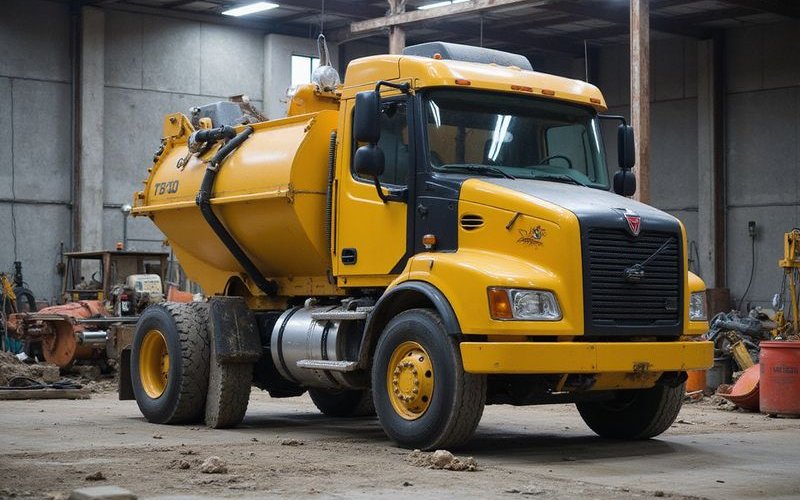
Equipment Loans
An equipment loan is straightforward debt financing. You borrow the money to buy the asset, and you own it immediately. The lender holds a lien on the equipment until the final payment is made.
This option works best for equipment with a long lifespan.
Best for:
- Assets you plan to keep for 5-10 years.
- Businesses that want to claim depreciation.
- Heavy machinery like yellow iron or manufacturing tools.
Equipment Leases
Leasing focuses on usage rather than ownership. You pay a monthly fee to use the equipment. At the end of the term, you have options based on the lease structure.
Our clients often choose this route to keep technology current.
| Lease Type | Structure | Best Used For |
|---|---|---|
| Capital Lease ($1 Buyout) | Higher monthly payments, you own it for $1 at the end. | Equipment you want to keep long-term but need lower upfront costs. |
| FMV Lease (Fair Market Value) | Lower monthly payments, purchase option at current market value. | IT hardware or technology that depreciates quickly. |
| TRAC Lease | Specific to vehicles/trailers. The final residual value is guaranteed. | Commercial fleets and trucking companies. |
Equipment Financing in Dallas: The Local Context
The Dallas-Fort Worth economy has specific demands that influence lending appetites. Lenders look favorably on industries that drive the local GDP.
Construction and Real Estate
Infrastructure projects across North Texas keep demand high. We see consistent approval approvals for equipment sourced from local dealers like HOLT CAT in Irving or RDO Equipment Co.
Contractors frequently finance:
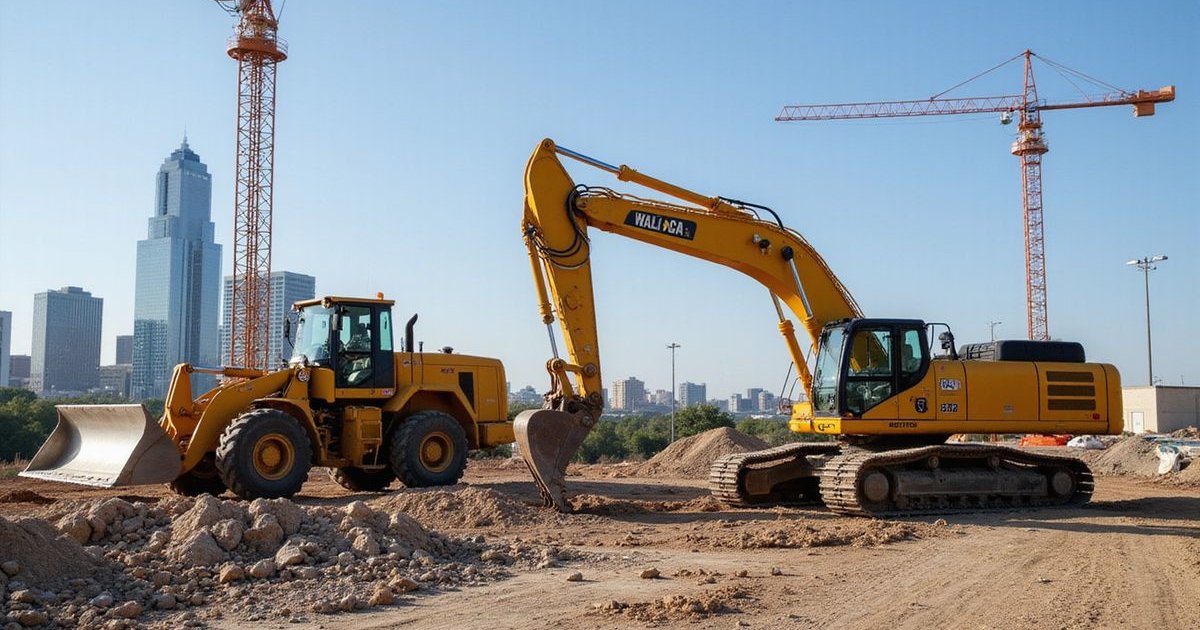
- Excavators and skid steers.
- Concrete pump trucks.
- Grading equipment.
Healthcare
The Medical District drives massive capital expenditures. Diagnostic technology is expensive but essential for competitiveness.
A standard MRI machine can cost between $150,000 and $3 million. Financing these assets allows clinics to upgrade without massive capital depletion.
Commonly financed medical assets include:
- Diagnostic imaging systems (GE or Siemens).
- Dental operatories and CBCT scanners.
- Electronic Medical Record (EMR) hardware servers.
Manufacturing
The “Texas Triangle” logistics advantage supports a booming manufacturing sector. We help businesses acquire automation tools to combat local labor shortages.
Key investments include:
- CNC machining centers.
- Robotic assembly arms.
- Injection molding machines.
Transportation and Logistics
DFW is a primary inland port. Logistics companies need reliable fleets to handle the volume moving through hubs like AllianceTexas.
Lenders are currently aggressive on financing:
- Class 8 semi-trucks (Peterbilt or Kenworth).
- Refrigerated trailers (Reefers).
- Last-mile delivery vans.

Equipment Financing Requirements
Qualifying for equipment financing is generally easier than securing a bank term loan. However, preparation is still key to getting the lowest rate.
”Application Only” Limits
We often utilize “App-Only” programs for our clients. This allows you to finance up to $250,000 (and sometimes $500,000) with just a one-page application and no tax returns.
This speed is vital when you need to secure a machine at an auction.
Standard Qualifications
Most lenders look for these benchmarks:
- Credit Score: 680+ usually secures “A-tier” rates. Scores between 600-660 are acceptable but will carry a higher rate.
- Time in Business: 2 years is the gold standard. However, many programs now accept 6 months of history with strong bank statements.
- Cash Flow: Ending bank balances should support the new payment. A common rule of thumb is that your average daily balance should be at least 5x the proposed monthly payment.
Required Documentation
Have these ready to speed up the process:
- Invoice or Quote: This must be an official quote from a vendor (like Kirby-Smith Machinery or similar), not just an email estimate.
- 3 Months of Bank Statements: Lenders check for non-sufficient funds (NSF) charges.
- Driver’s License: For identity verification.
- Voided Check: For setting up ACH payments.
Understanding Equipment Financing Rates
Interest rates in 2026 are influenced heavily by the Prime Rate and the liquidity of the equipment.
The “Risk-Based” Pricing Model
Lenders price your loan based on the risk of the asset losing value. A new truck holds value better than a used restaurant oven.
Consequently, “yellow iron” (construction equipment) often gets lower rates than IT equipment.
Estimated Rate Ranges (2026)
These ranges reflect current market conditions in the DFW area.
| Borrower Profile | Estimated APR |
|---|---|
| Prime Borrower (720+ FICO, 2+ Years Biz) | 7.5% - 9.5% |
| Near-Prime (660-719 FICO) | 10% - 14% |
| Established Sub-Prime (600-659 FICO) | 15% - 25% |
| Start-Up (<2 Years in Biz) | 12% - 20% |
Pro Tip: Ask if the rate is fixed or floating. With economic volatility, locking in a fixed rate protects your future cash flow.
Section 179 Tax Deductions
Section 179 is the most powerful tax code for small businesses. It allows you to accelerate depreciation and take the tax hit in the current year.
2026 Section 179 Limits
The IRS has adjusted limits for inflation. For the 2025 tax year (filed in 2026), the deduction limit increased to $1,250,000.
The total equipment spending cap rose to $3,130,000.
The “Bonus Depreciation” Phase Out
We remind clients that Bonus Depreciation is phasing down.
- 2025: 40%
- 2026: 20%
- 2027: 0%
This reduction makes Section 179 even more critical. If you buy a $100,000 machine and are in the 21% corporate tax bracket, the deduction could save you $21,000 in actual cash taxes. This effectively lowers the equipment cost to $79,000.
Note: Always verify these calculations with a CPA familiar with Texas franchise tax laws.

How to Get the Best Equipment Financing Terms
1. Leverage Your Relationship Banking
Start with your primary bank. If you bank with local institutions like Frost Bank or Texas Capital Bank, they may offer preferential rates to keep your business.
2. Check Your Personal Credit Report First
Small business lending relies heavily on the owner’s personal credit. Check your report for errors before a lender does. A single erroneous late payment can drop you from “A-tier” to “B-tier.”
3. Watch Out for “Blanket Liens”
Some lenders file a UCC-1 financing statement against all your business assets, not just the equipment you bought.
We advise you to negotiate for a “PMSI” (Purchase Money Security Interest) filing. This restricts the lien strictly to the specific piece of equipment being financed.
4. Ask About Pre-Payment Penalties
You might want to pay the loan off early if you have a great quarter. Ensure your contract doesn’t carry a heavy penalty (often called a “yield maintenance fee”) for early payoff.
5. Time Your Purchase
December is the busiest month for equipment finance due to tax deadlines. You often get better attention and service if you apply in October or November.
Choosing the Right Equipment Financing Partner
Local vs. National Lenders
National lenders have speed, but local partners understand the DFW market. A local lender knows that a specialized oil-field tool has resale value in Texas, whereas a New York bank might consider it “high risk.”
Transparency is Non-Negotiable
Ask for the T-Value amortization schedule. This document shows exactly how much interest you pay over the life of the loan. If a lender refuses to provide this, walk away.
Speed of Funding
In this competitive market, you can lose a deal if funding takes weeks. Look for partners who offer same-day funding once documents are signed.
Common Equipment Financing Mistakes to Avoid
Mistake 1: Financing for Too Long
Don’t finance a laptop for 5 years. The equipment will be obsolete before the loan is paid off. Match the loan term to the useful life of the asset.
Mistake 2: Ignoring Insurance Requirements
Lenders require you to carry insurance on the equipment. If you don’t provide proof, they will add “forced-place insurance” to your bill. This is significantly more expensive than adding the item to your own business policy.
Mistake 3: Overlooking Used Equipment Restrictions
Many lenders have age restrictions. Typically, equipment cannot be older than 10 years at the end of the loan term. Check the serial number year before making an offer on used machinery.
Getting Started with Equipment Financing
You are ready to move forward. Here is the exact checklist our team uses to prepare clients for a smooth application process:
- Get a Hard Quote: Ask your vendor for an invoice that includes the serial number, make, model, and year.
- Organize Financials: Save your last 3 months of business bank statements as PDF files.
- Check Liquidity: Ensure your current bank balance is positive and shows no recent overdrafts.
- Review Your Entity: Make sure your business is in “Good Standing” with the Texas Secretary of State.
Equipment financing is a strategic lever for growth. Used correctly, it allows you to outpace competitors who are stuck waiting for cash reserves to build up.
Related Service
Learn about equipment financing →Related Articles

Equipment Loan vs. Lease: Which Is Right for Your Dallas Business?
Compare equipment loans and leases to determine the best financing option. Learn about ownership, tax benefits, and monthly payments.

Section 179 Tax Deduction: How to Save Big on Equipment Purchases
Learn how Section 179 can help your business deduct the full cost of qualifying equipment. Maximize your tax savings with equipment financing.
Heavy Equipment Financing for Dallas Construction Companies
Financing options for construction equipment in Dallas. Learn about rates, terms, and requirements for excavators, loaders, and more.